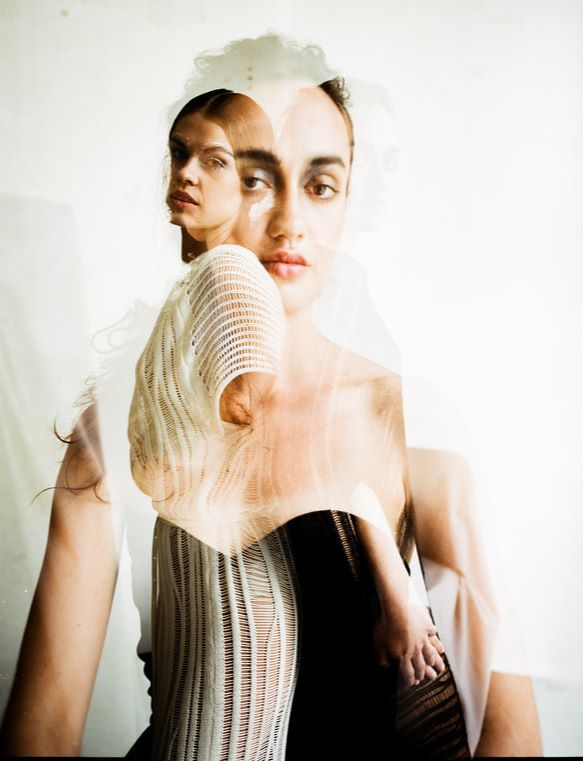

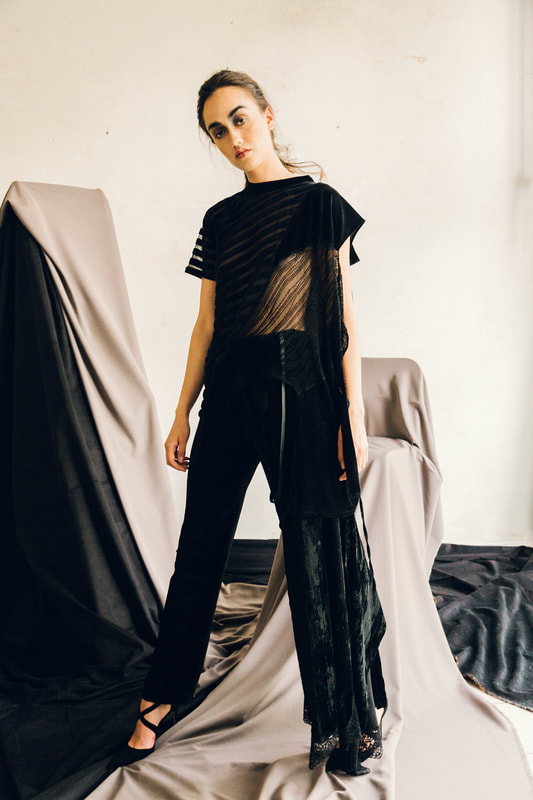
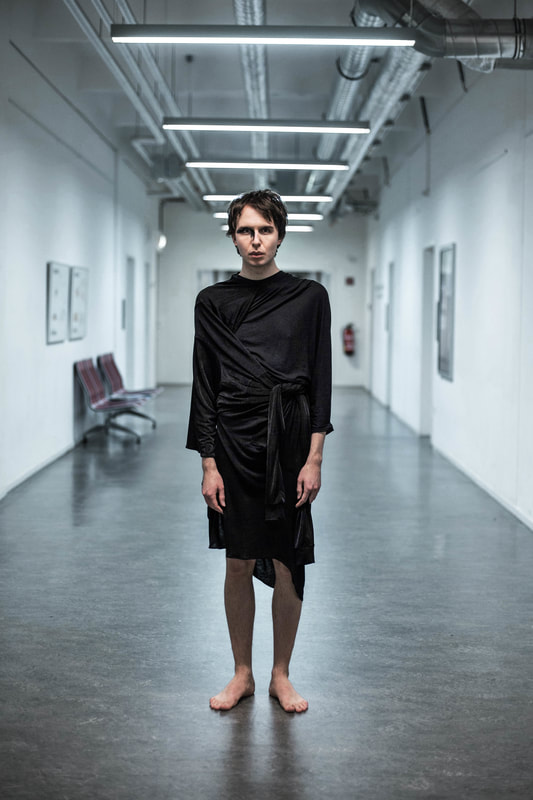
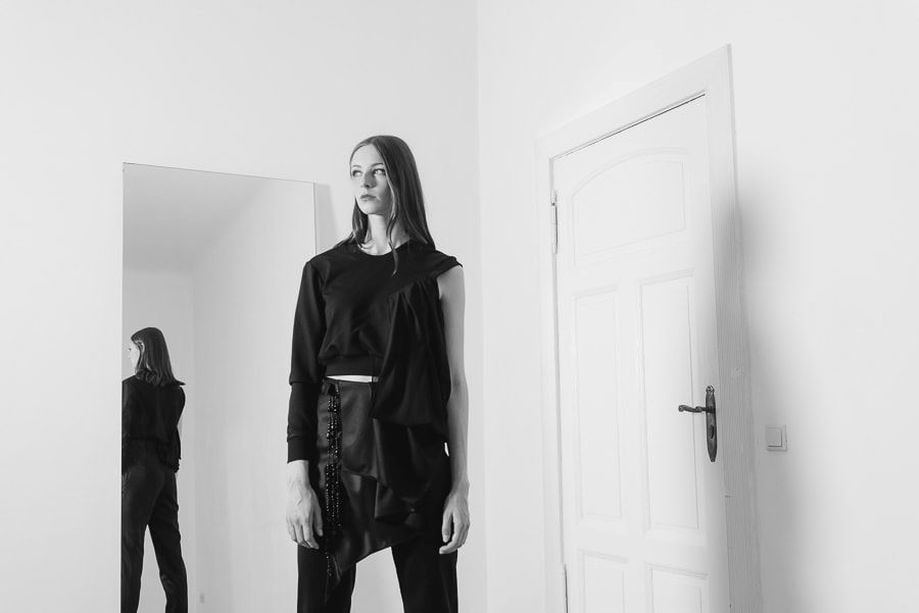
top ELIO, style A
&
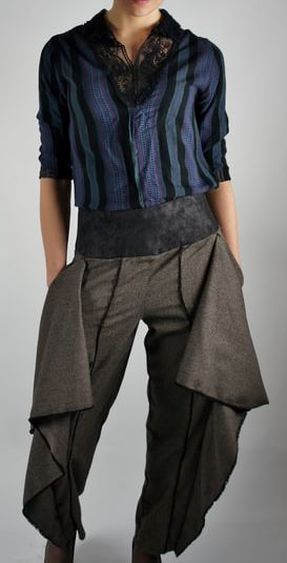
pants CELIA
crushed velvet, lace & faux leather straps
|
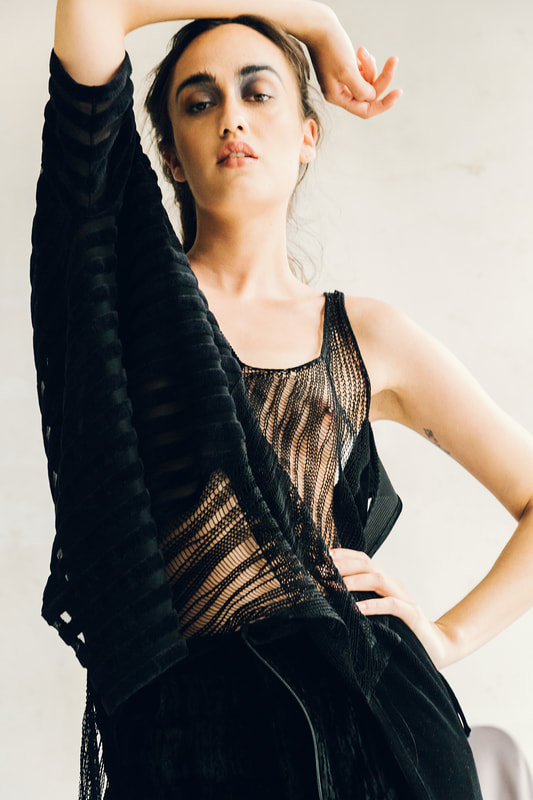
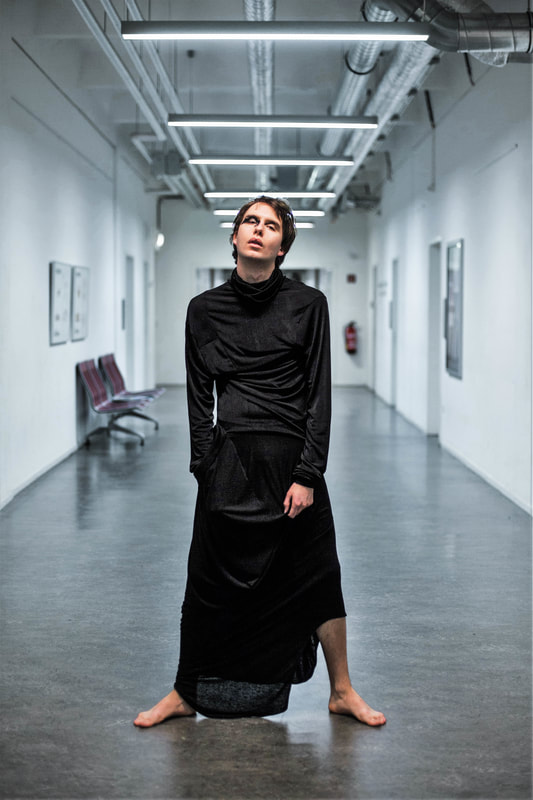
top ELIO, style B
striped bio cotton velvet jersey, cord jersey, cotton knit
|
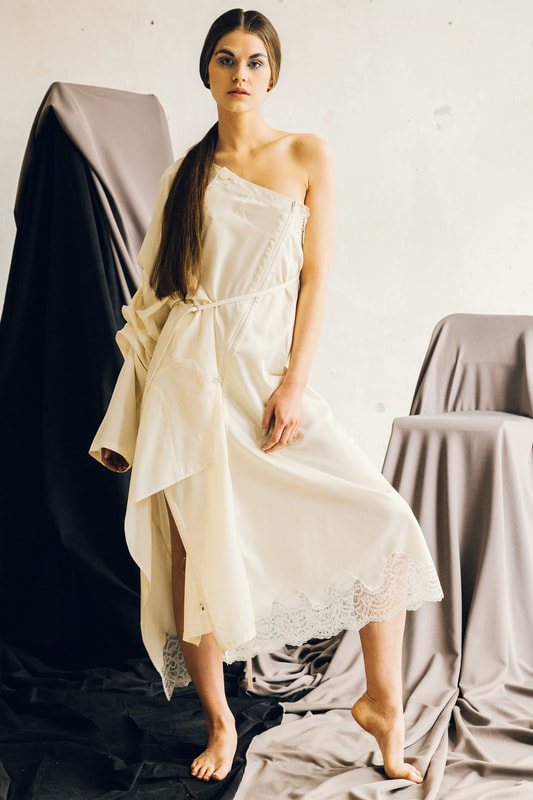
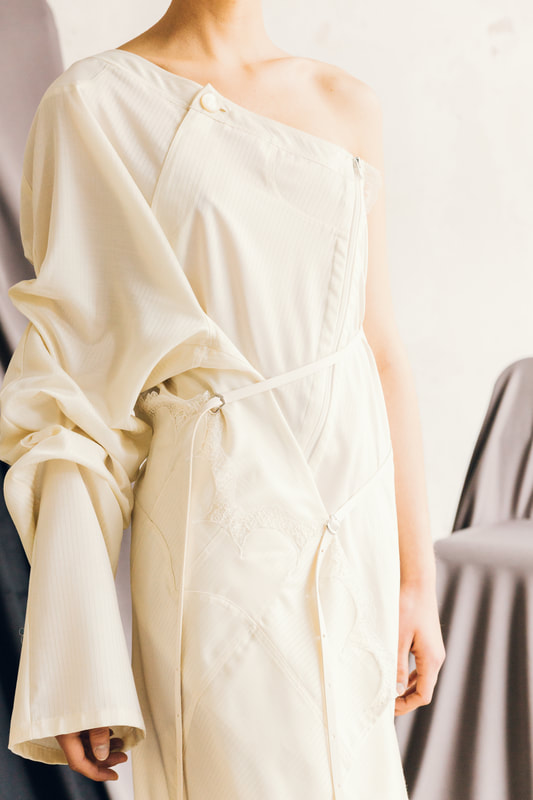
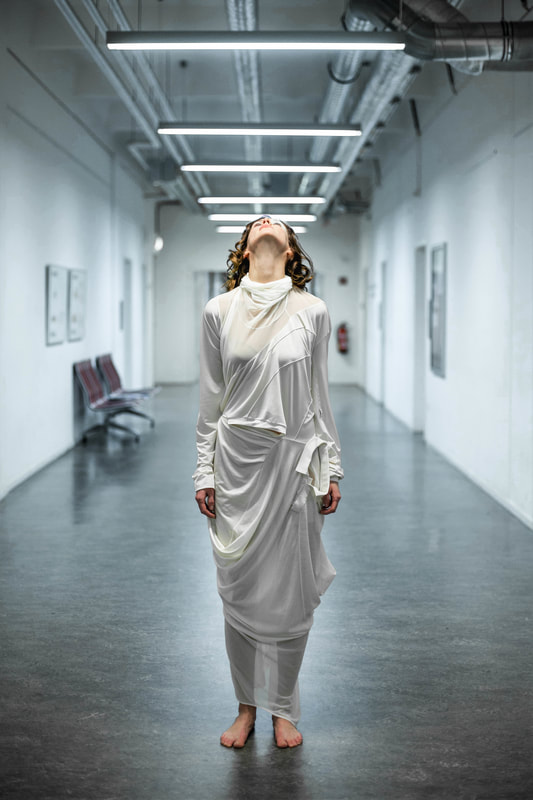
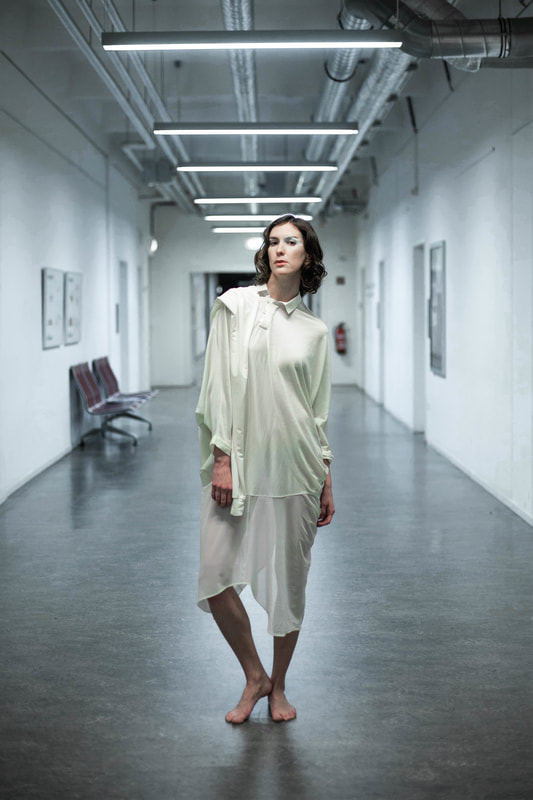
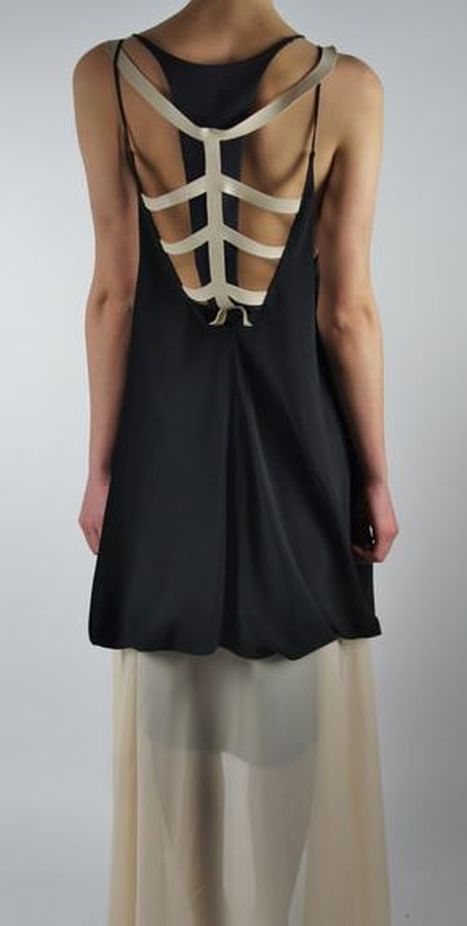
creme white dress CELIA
cotton satin, lace & faux leather straps
|
|

creme white dress CELIA worn as pants
|
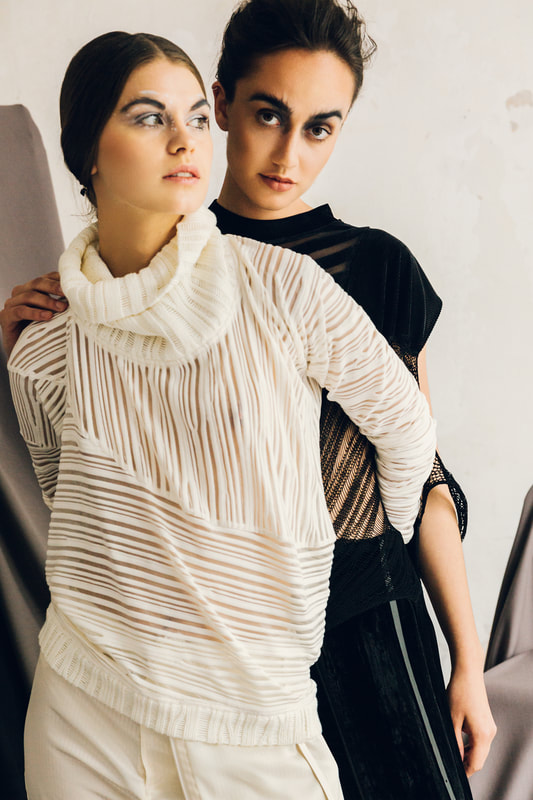
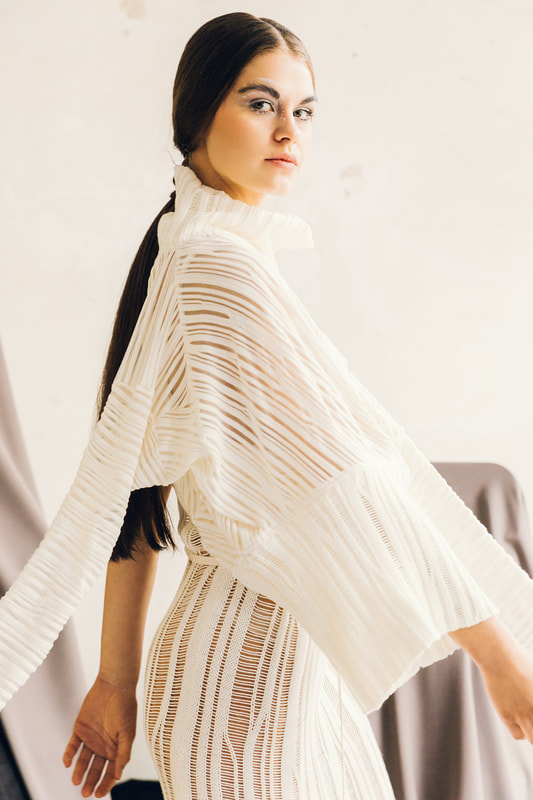
pullover ROCKO, style A
striped viscose jersey, cotton knit
|
|
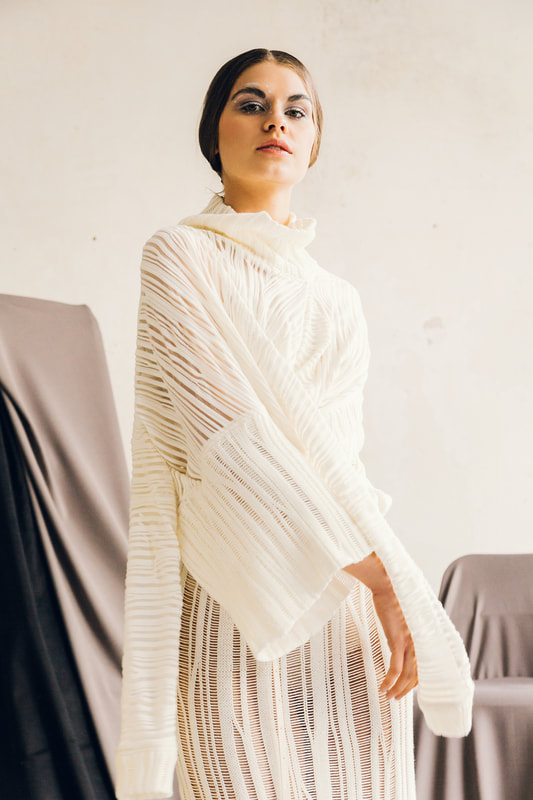
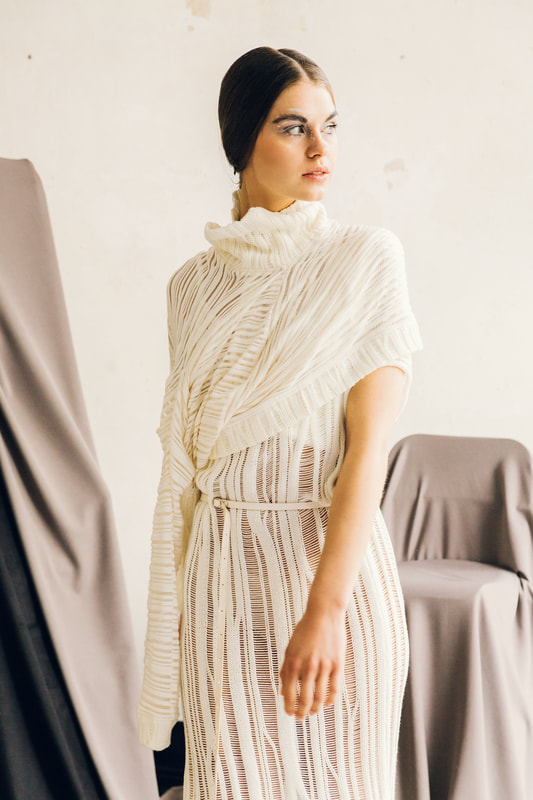
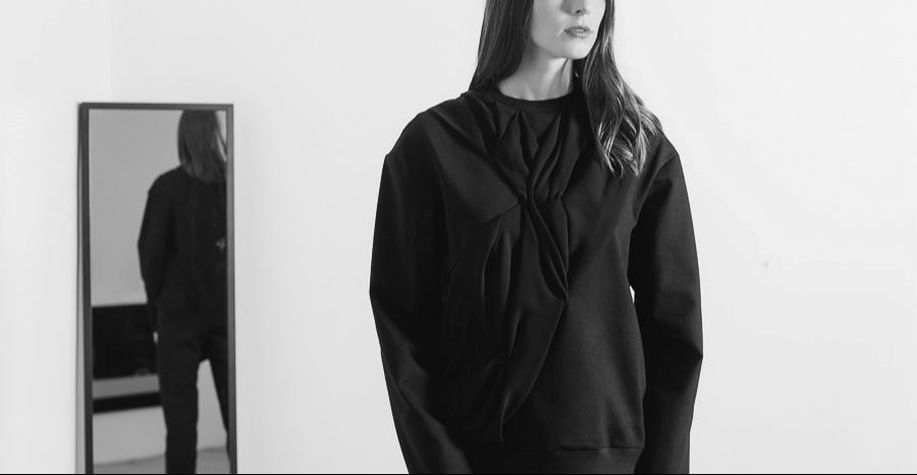
pullover ROCKO, style B
|
|
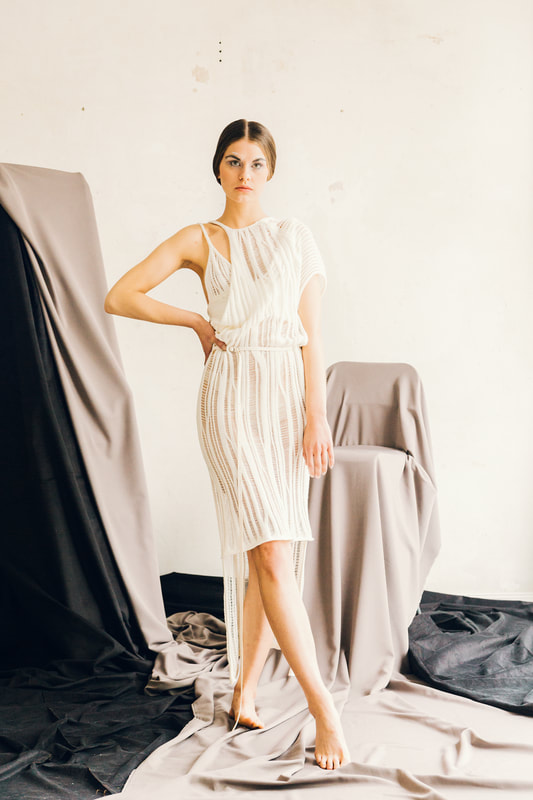
dress SIRENA
cotton knit & faux leather belt
|
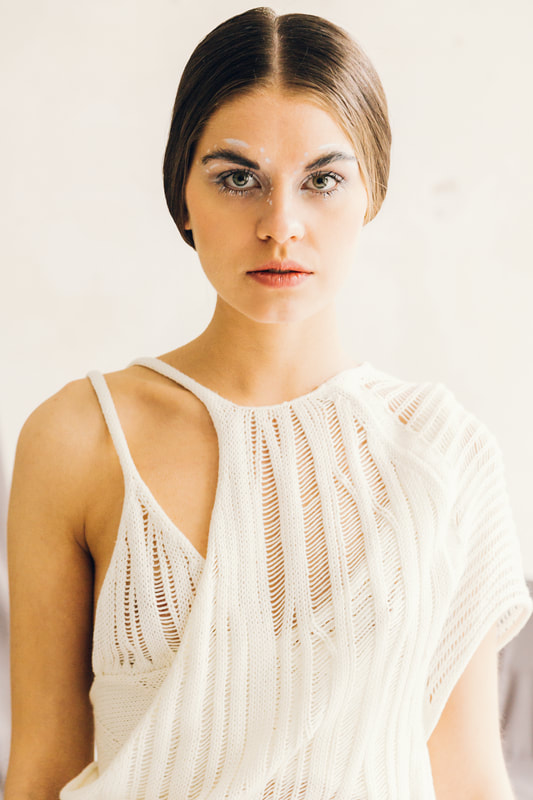
bralette SIRENA
cotton knit
|
|
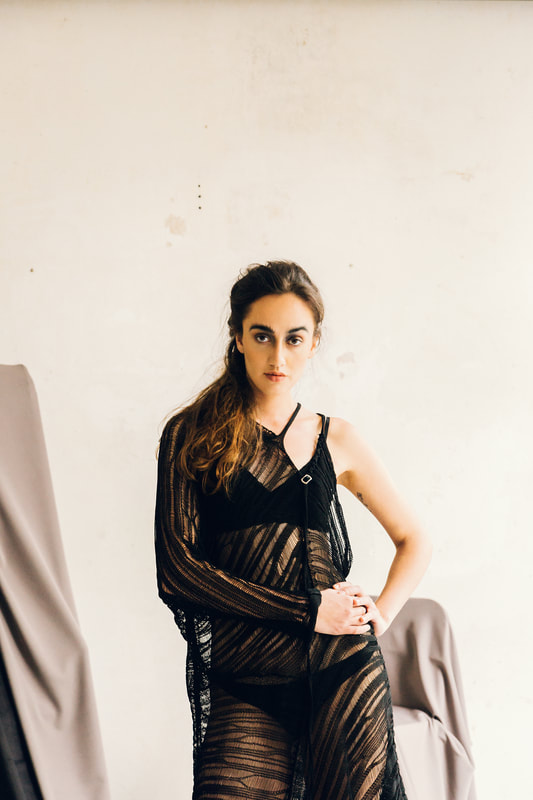
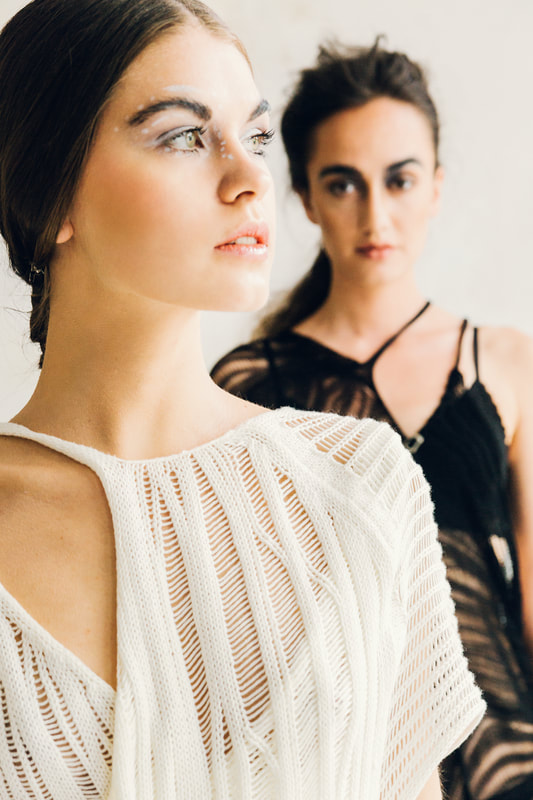
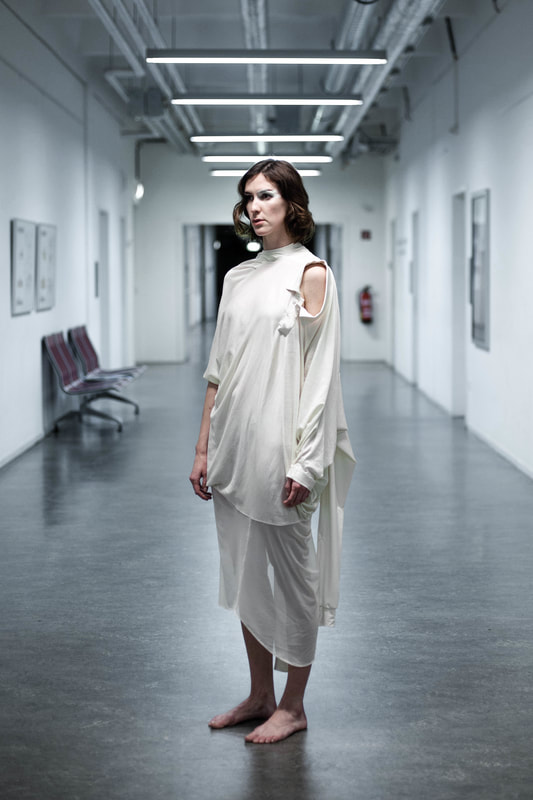
dress LINUS
cotton knit
|
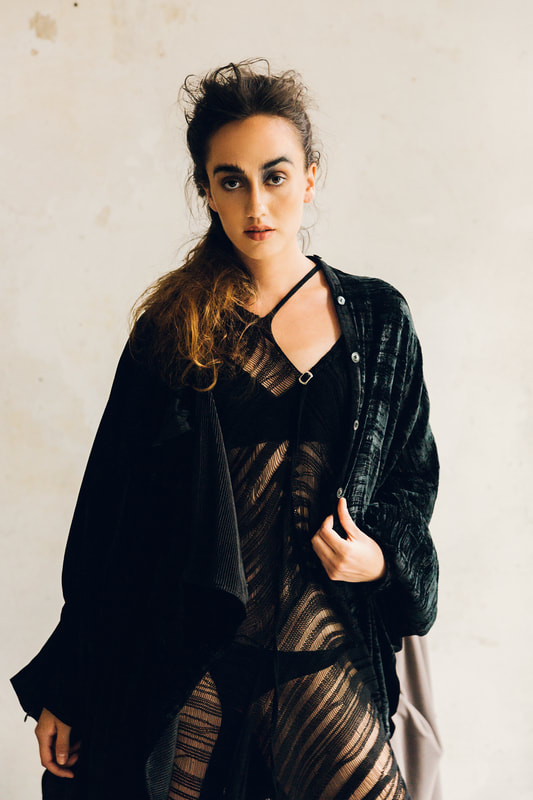
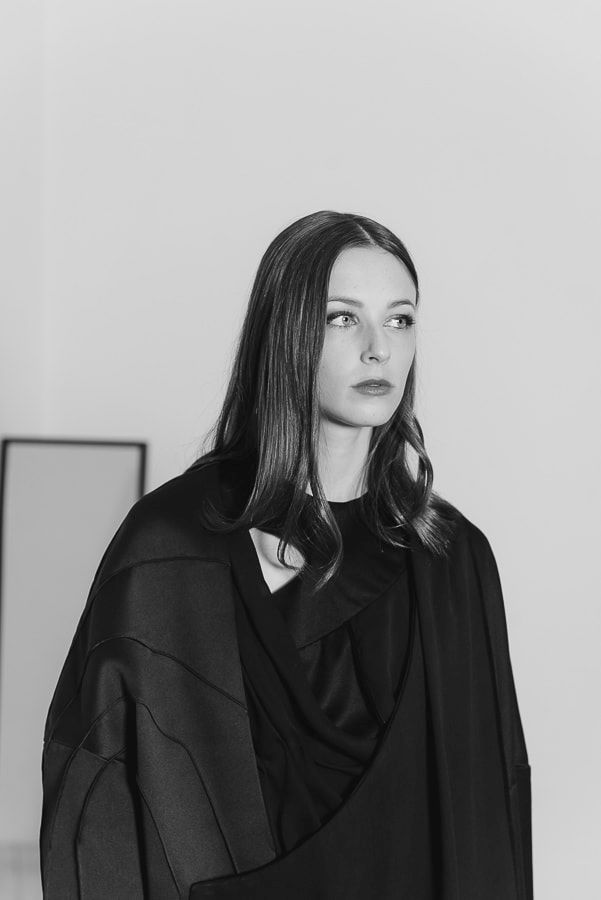
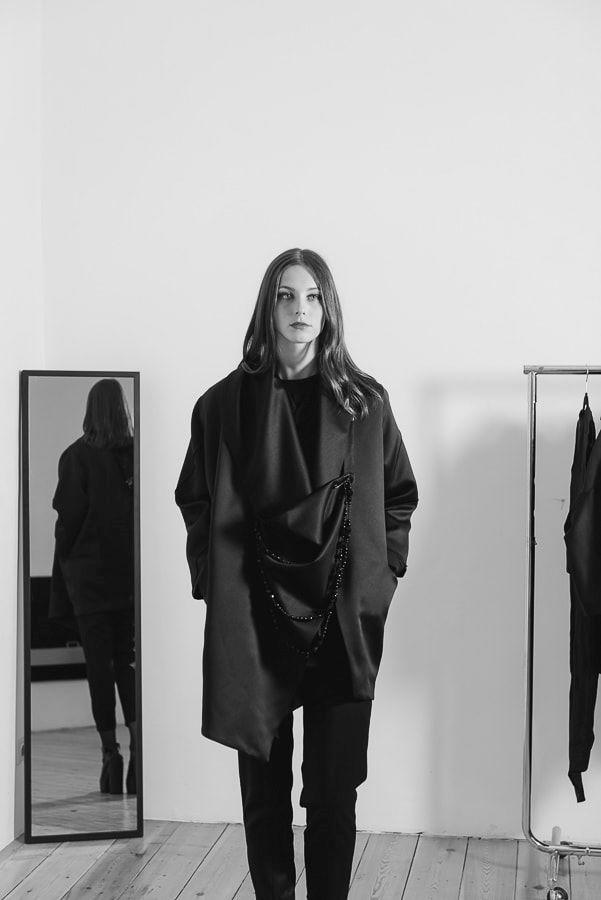
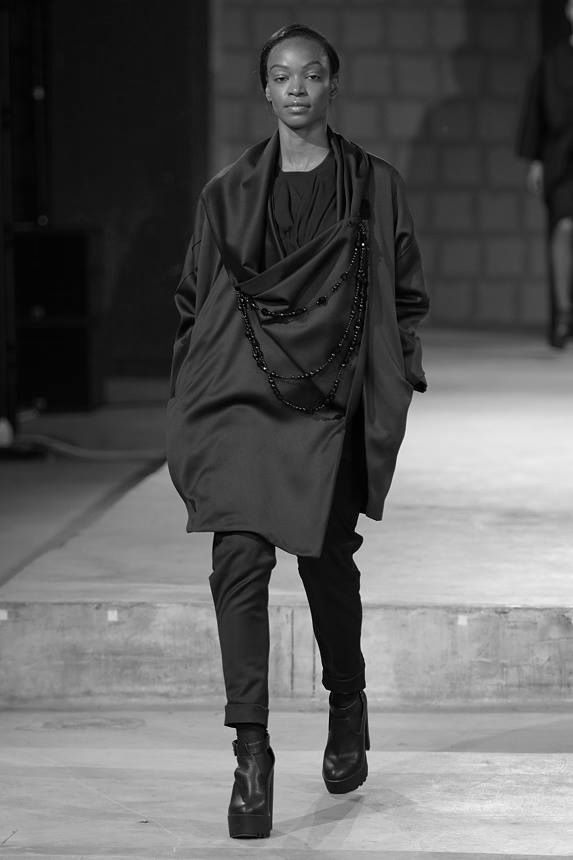
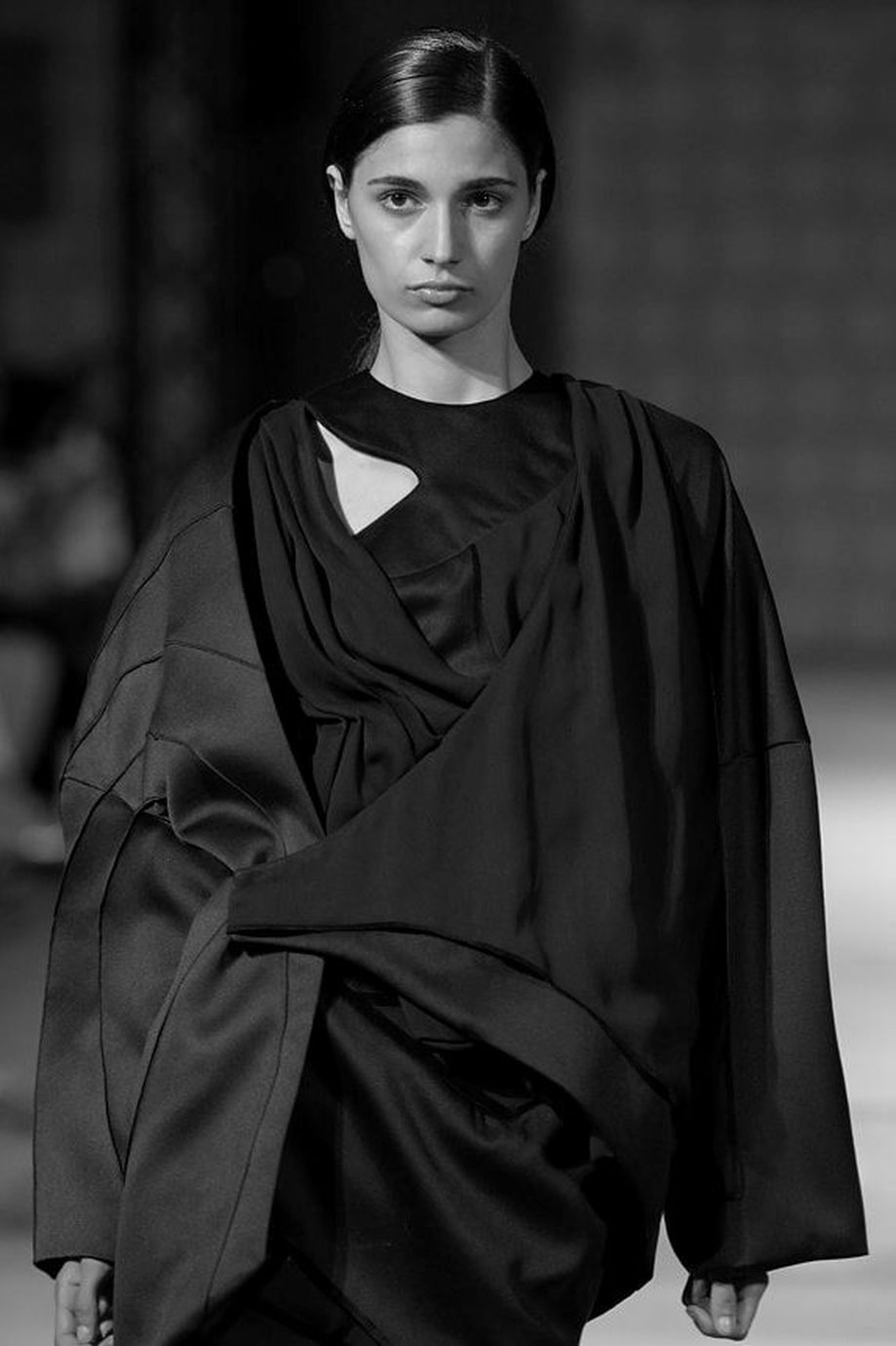
coat BETH
crushed velvet, cord jersey, pleated lining
|
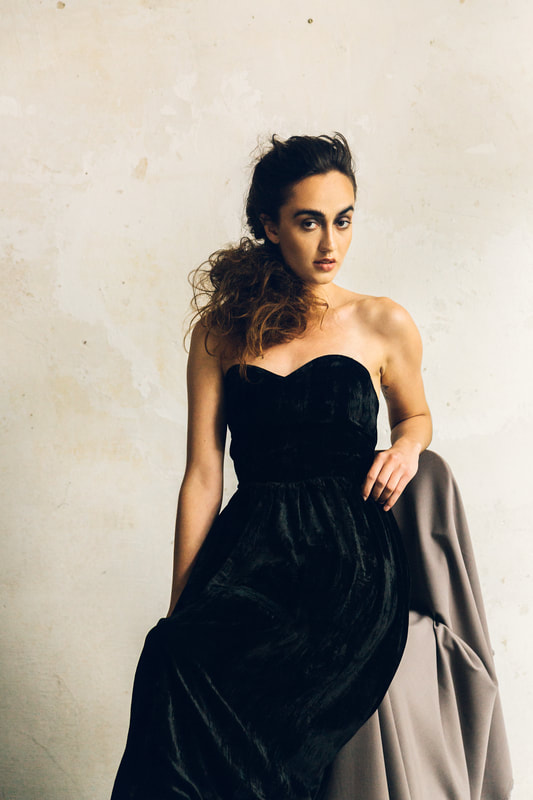
coat BETH worn as a dress
|
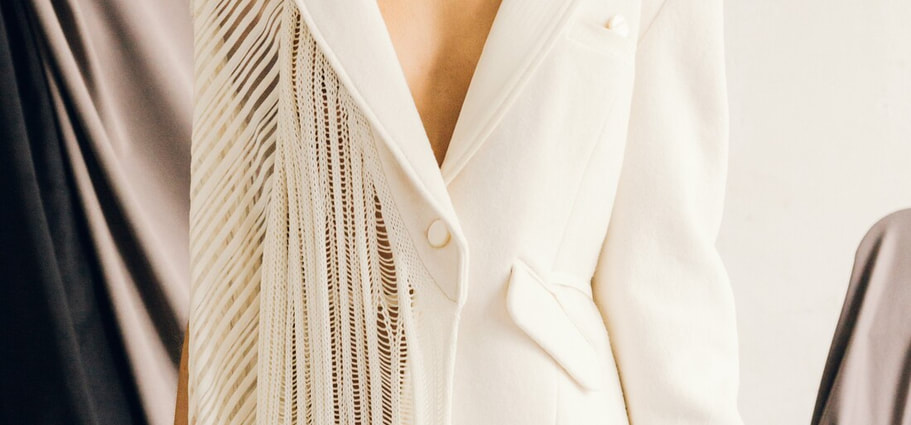
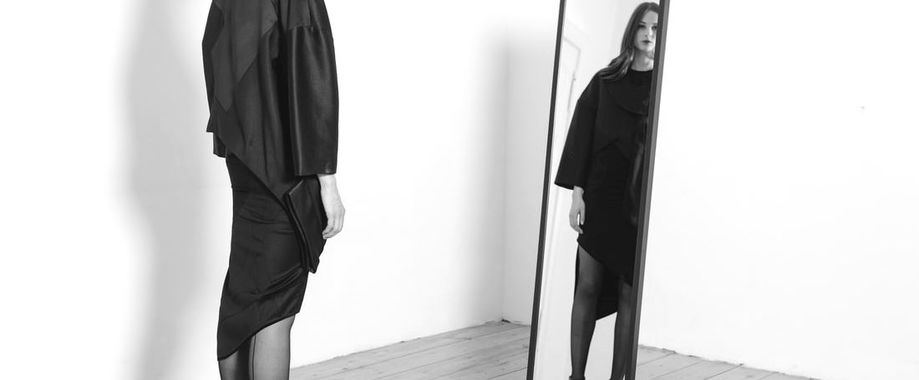
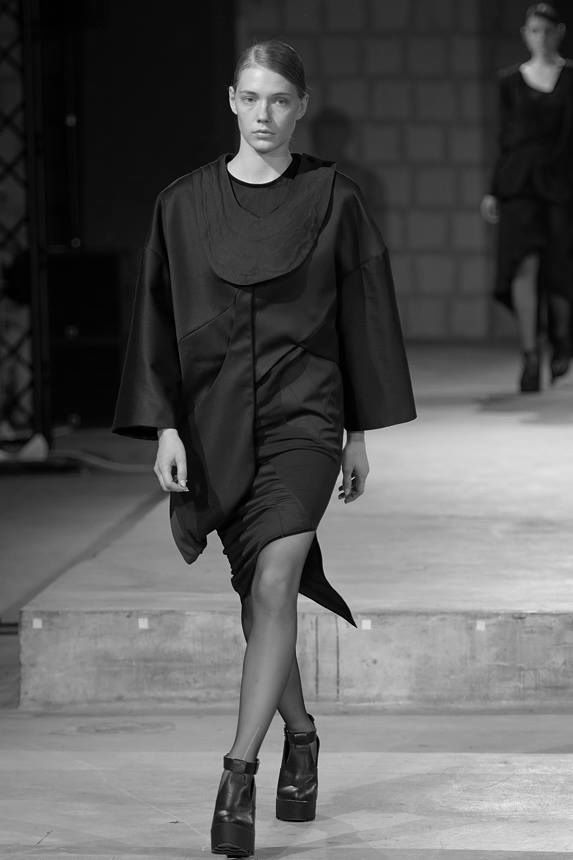
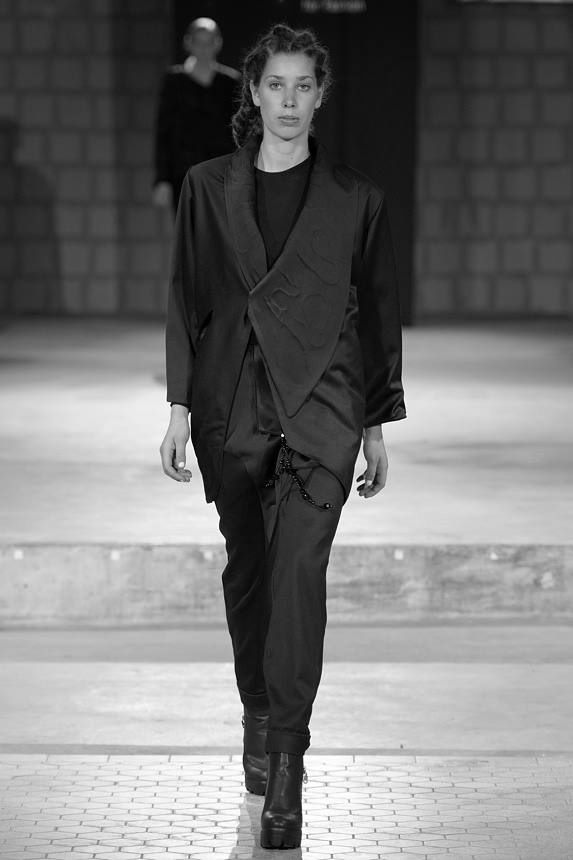
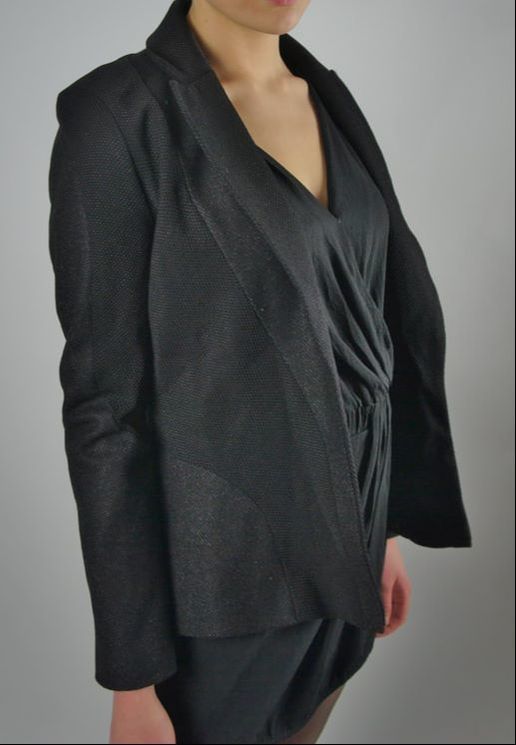
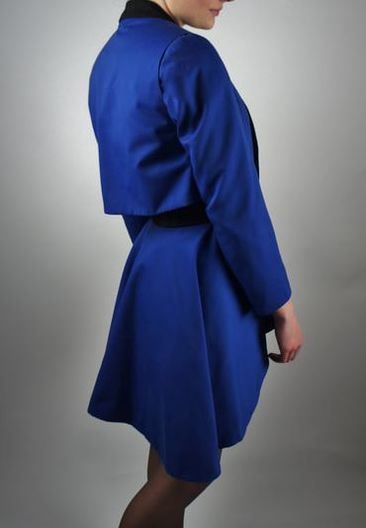
blazer-dress ANAÏS, style A
bio cotton fleece, striped viscose jersey, cotton knit, cotton satin, faux leather belt
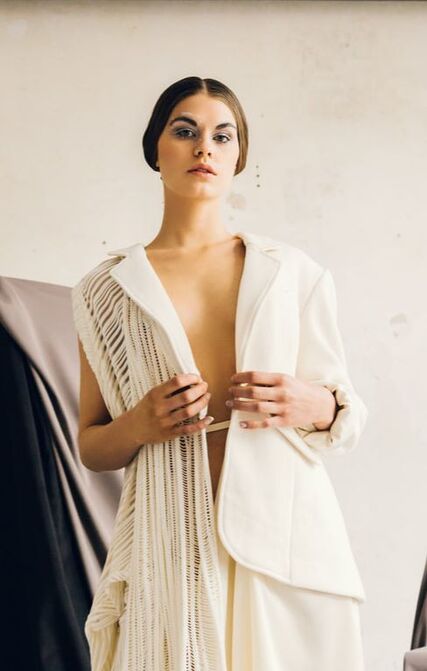
|
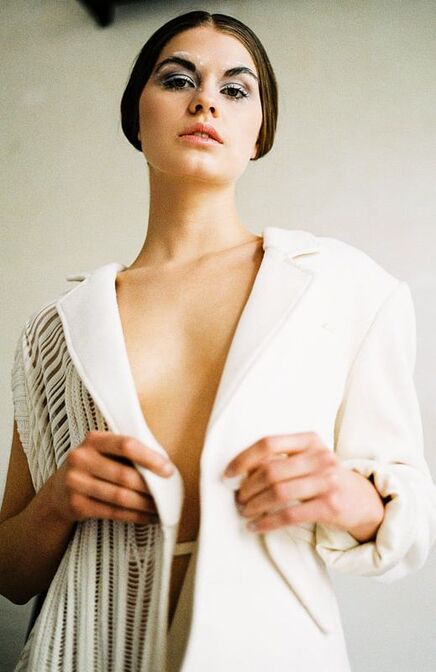
|
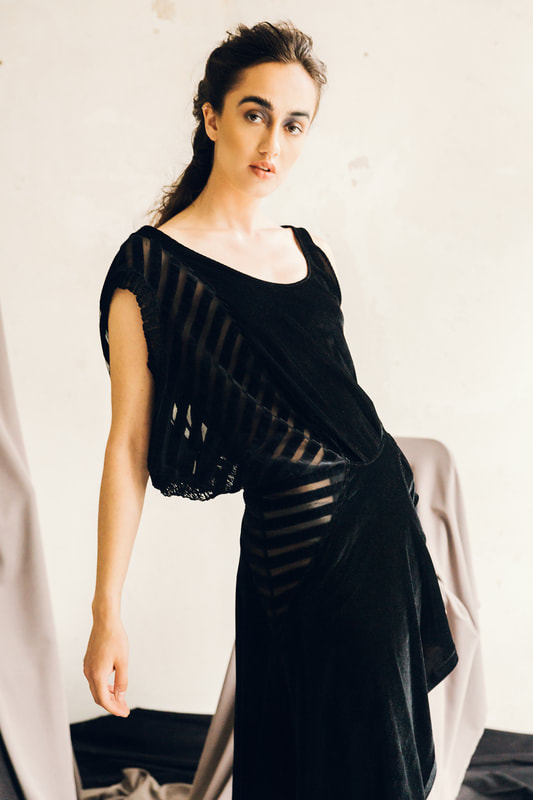
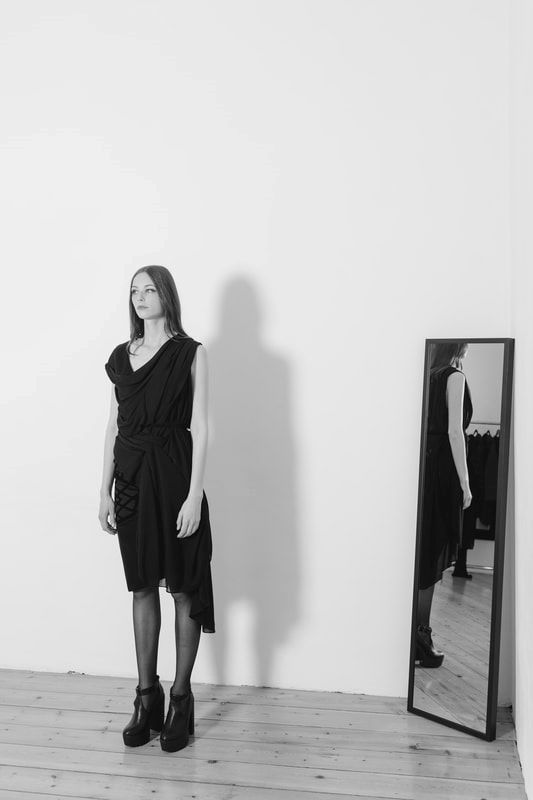
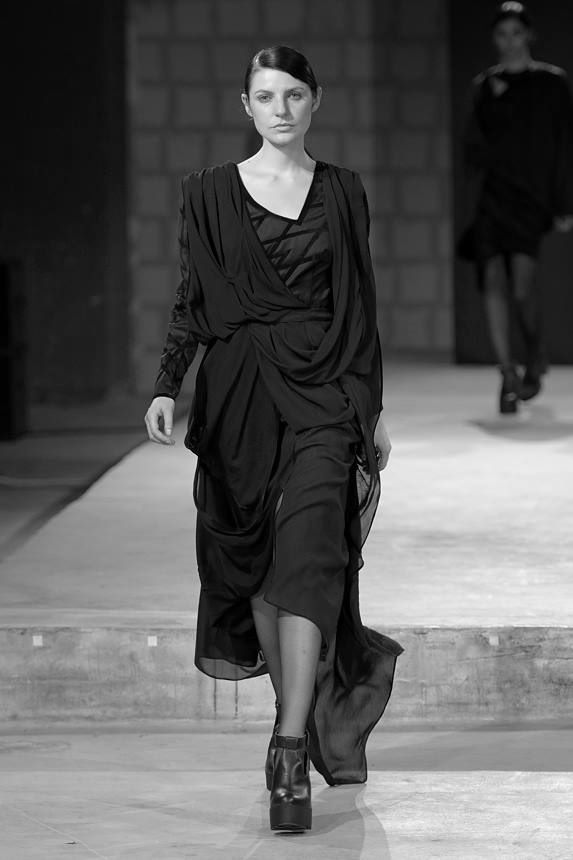
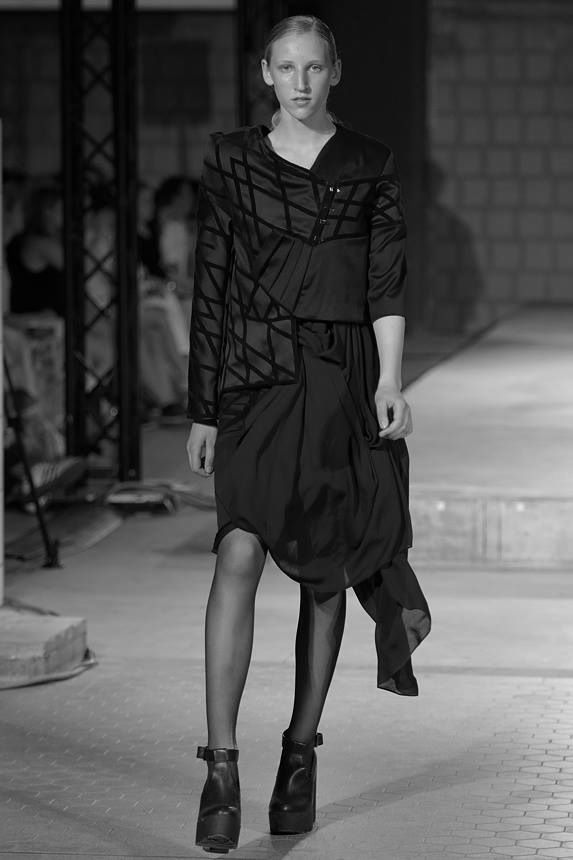
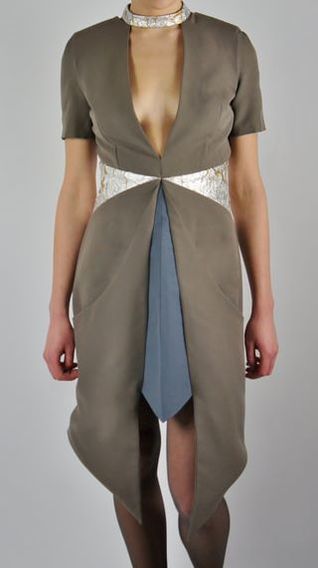
dress AVA, style A
|
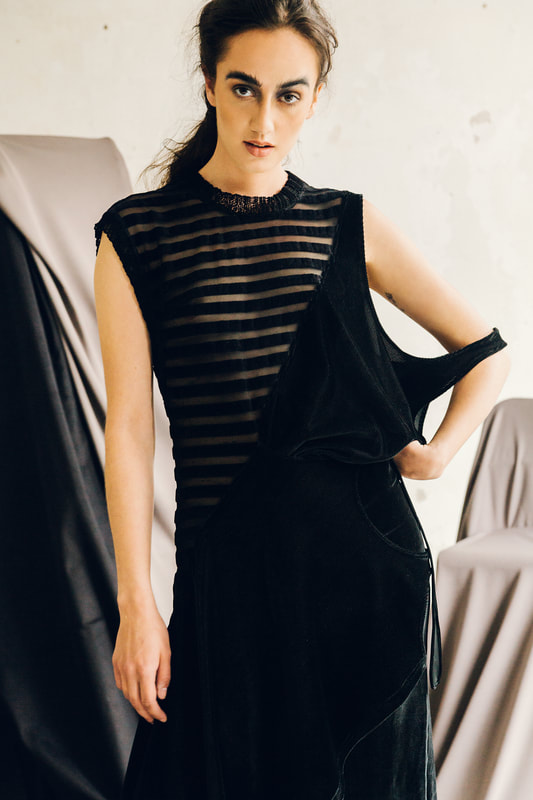
dress AVA, style B
striped bio cotton velvet jersey, cord jersey, cotton knit
|
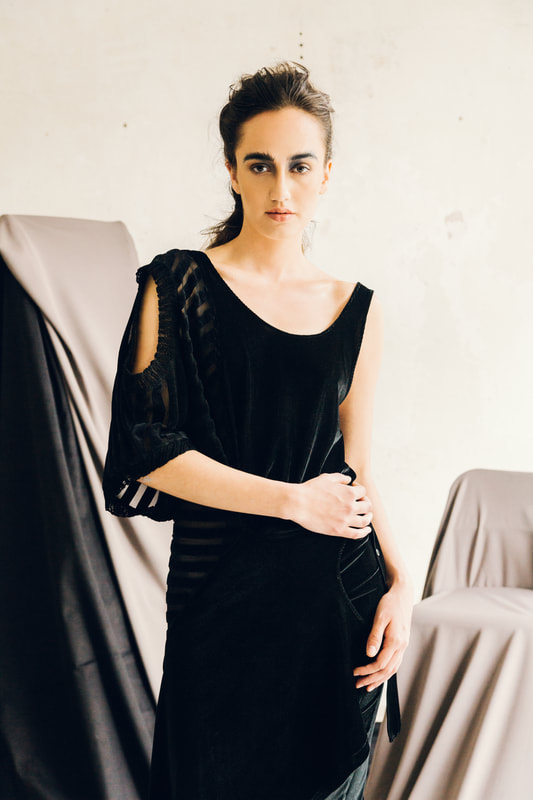
dress AVA, style C
|
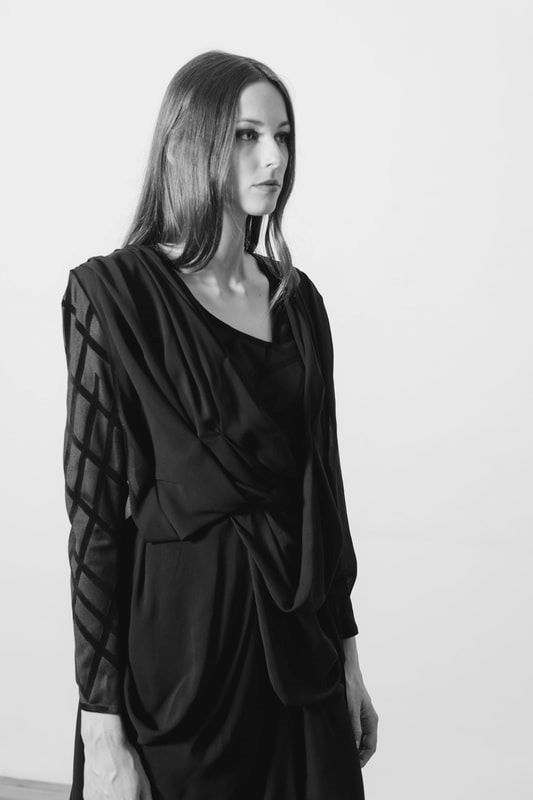
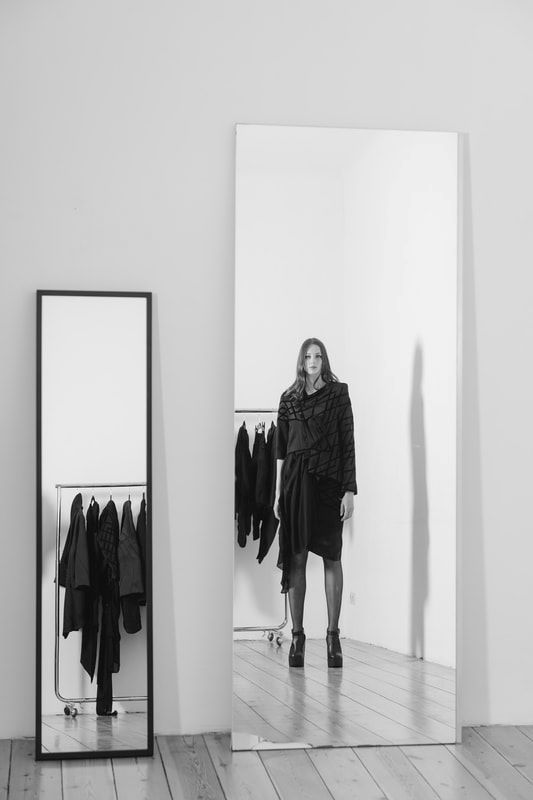
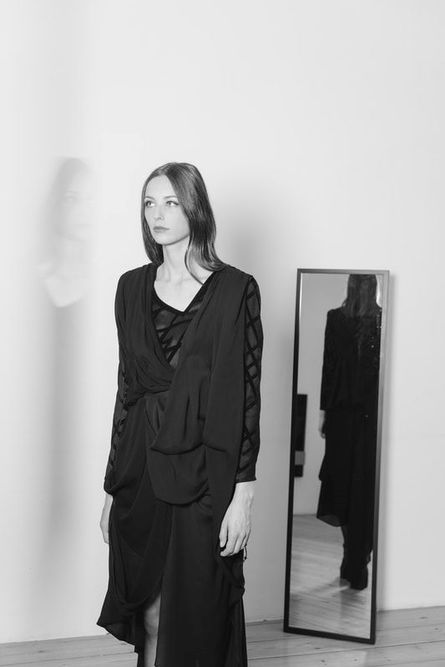
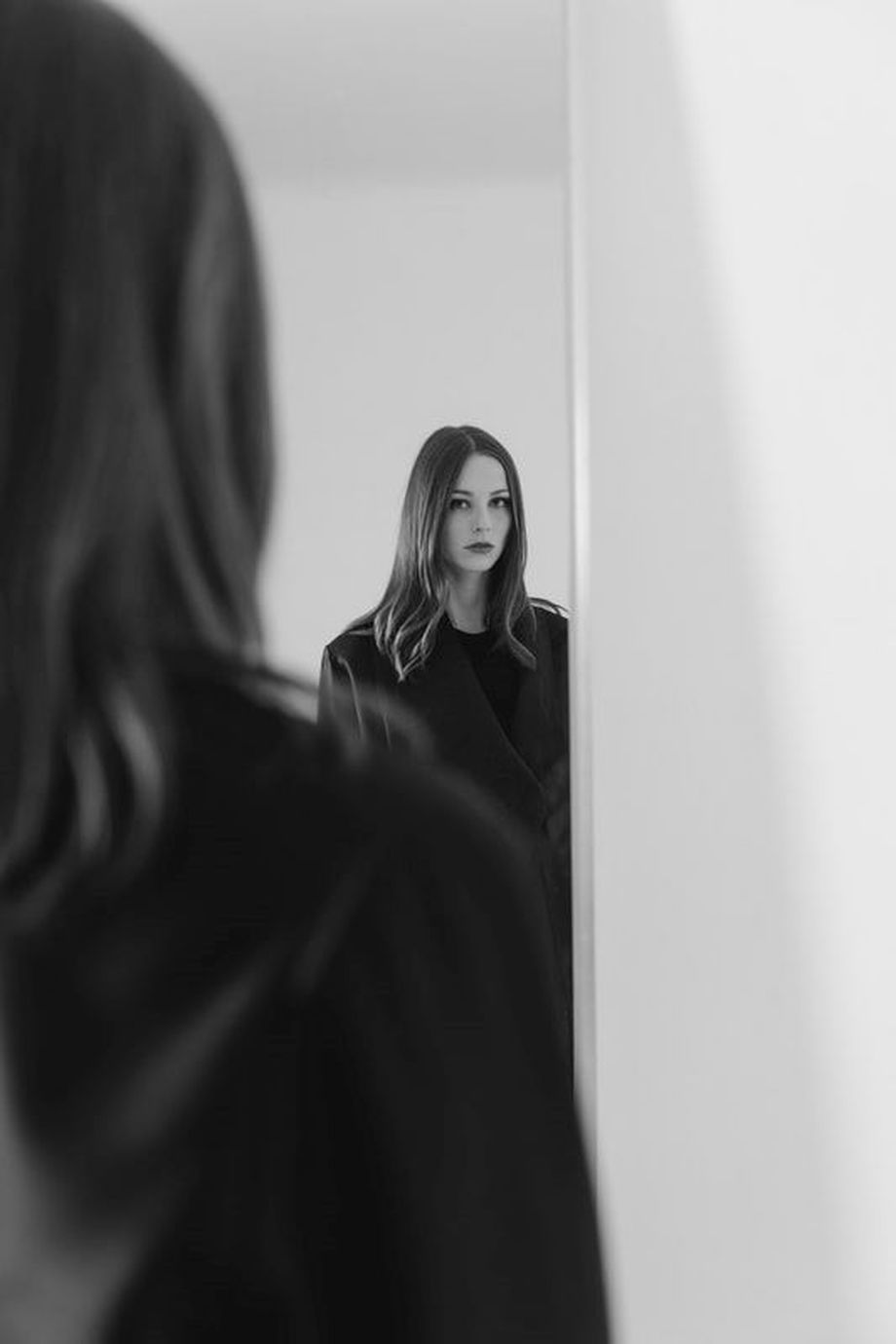
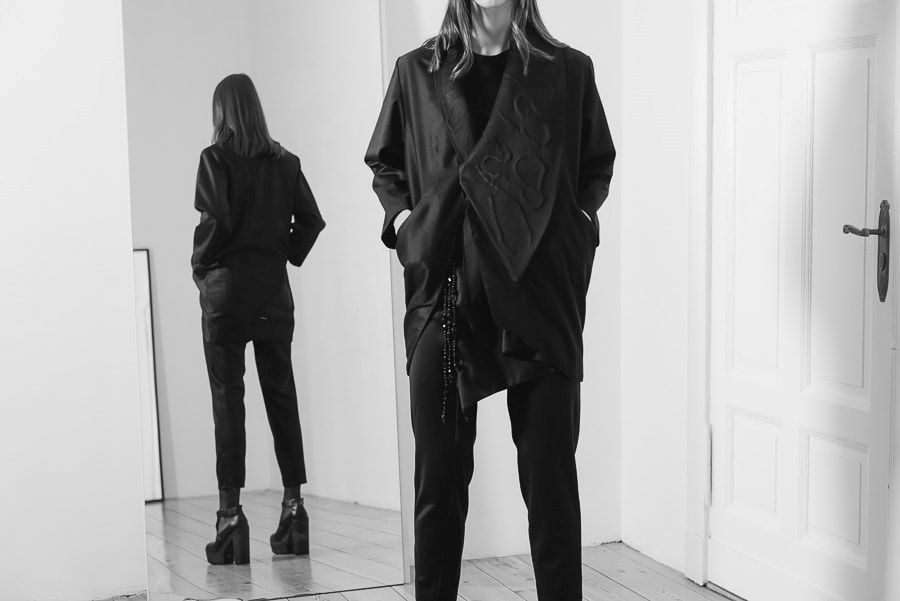
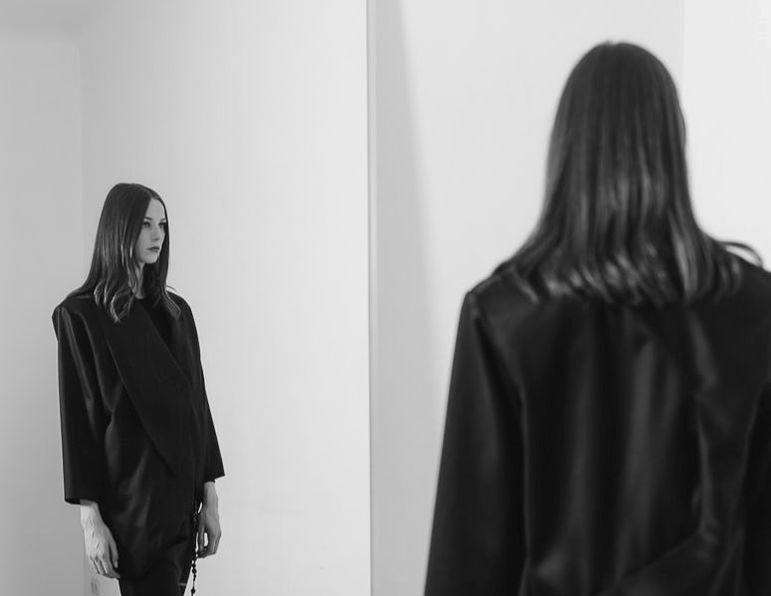
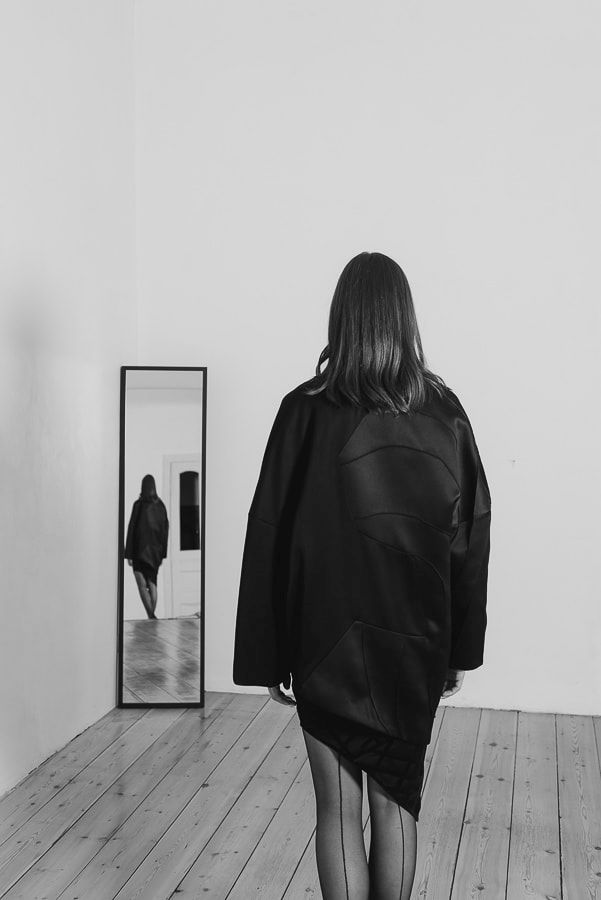
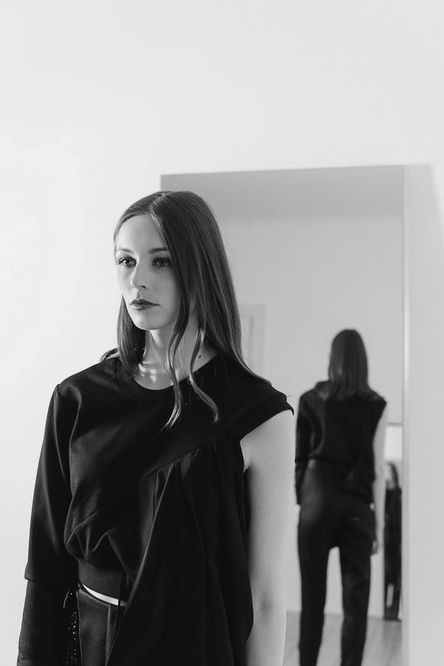
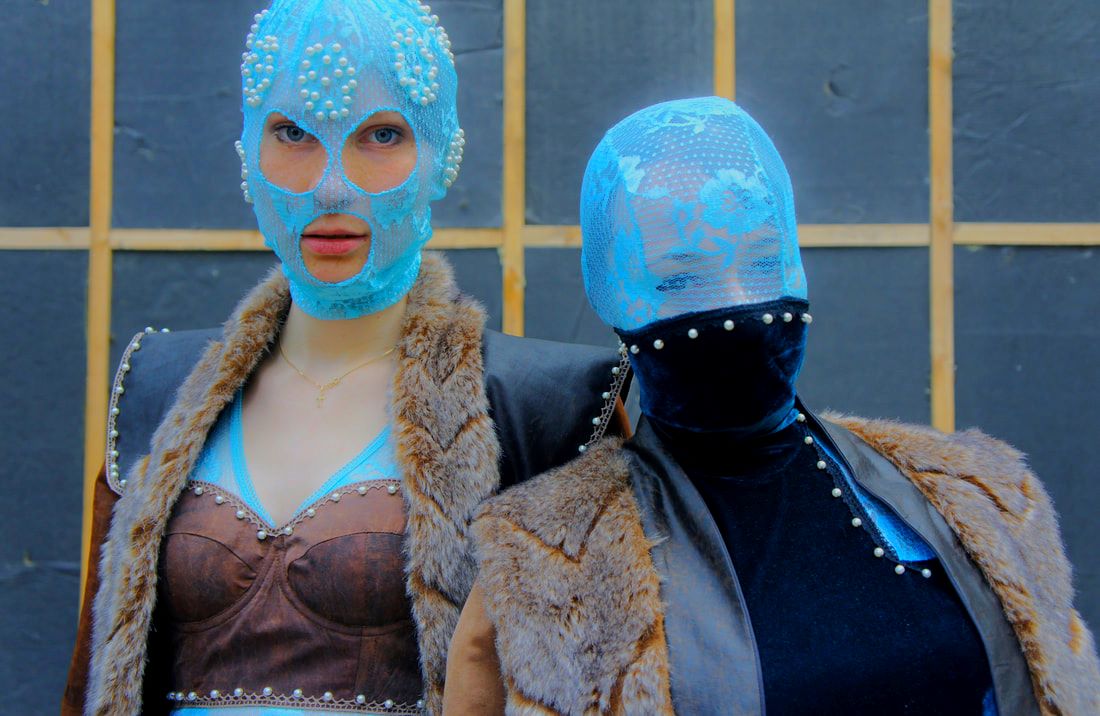
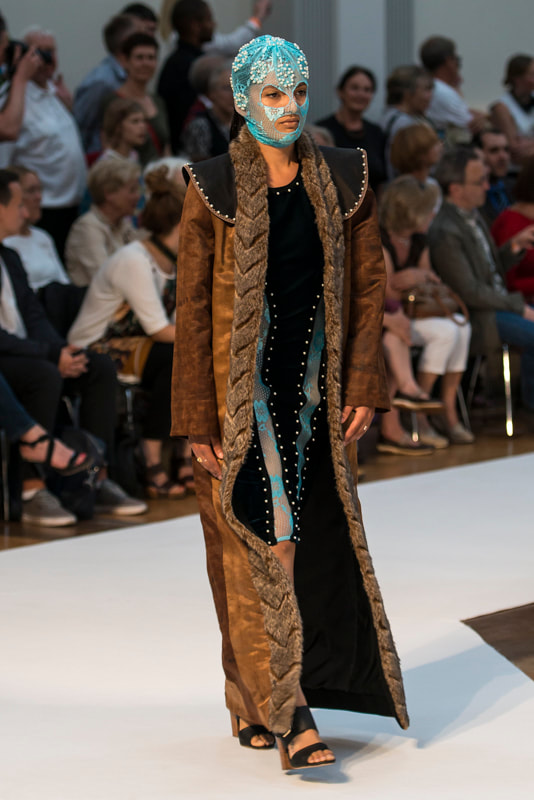
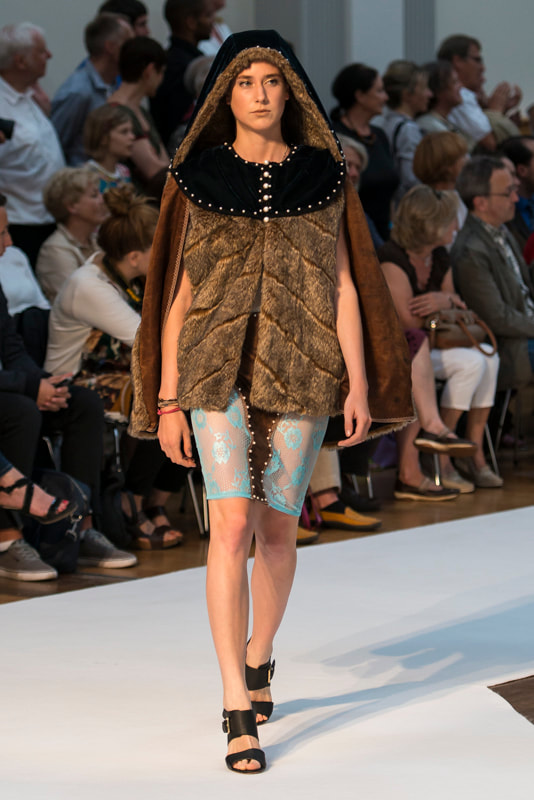
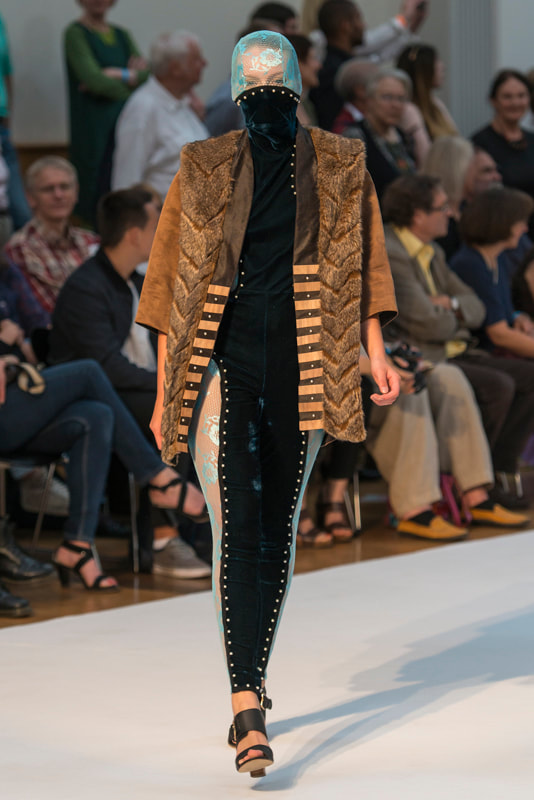
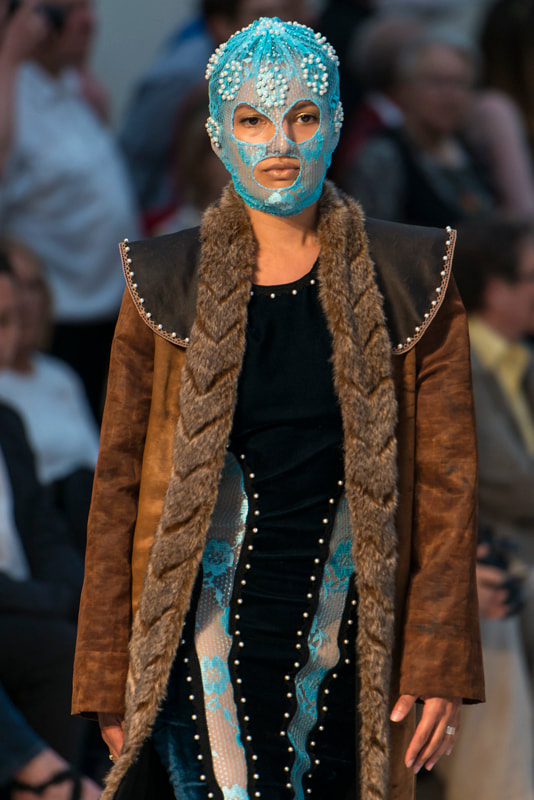
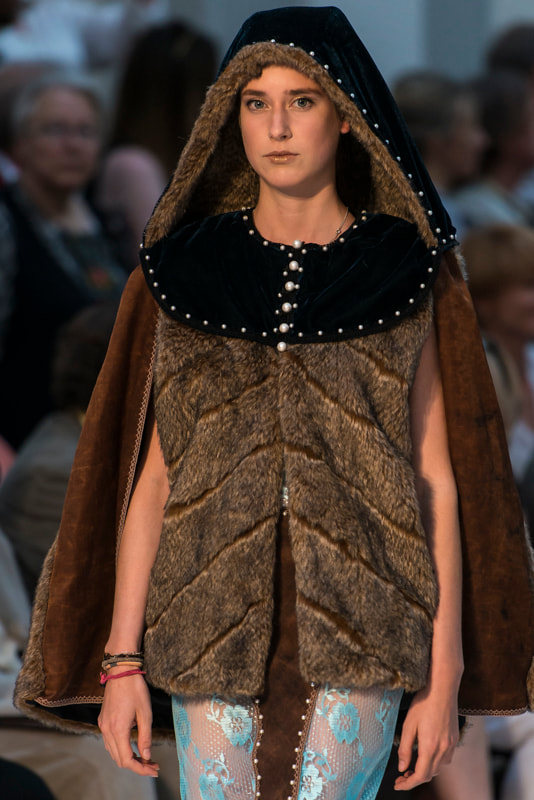
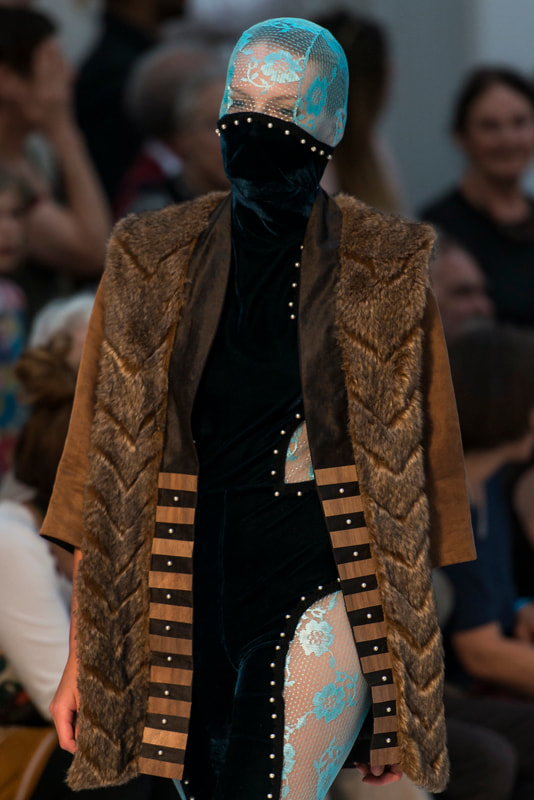
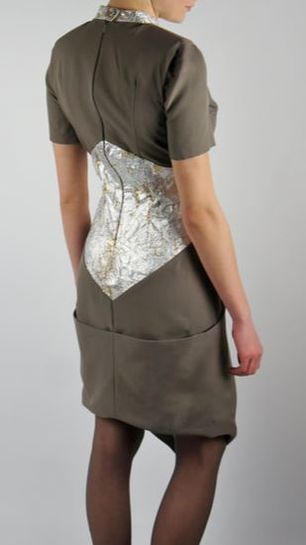
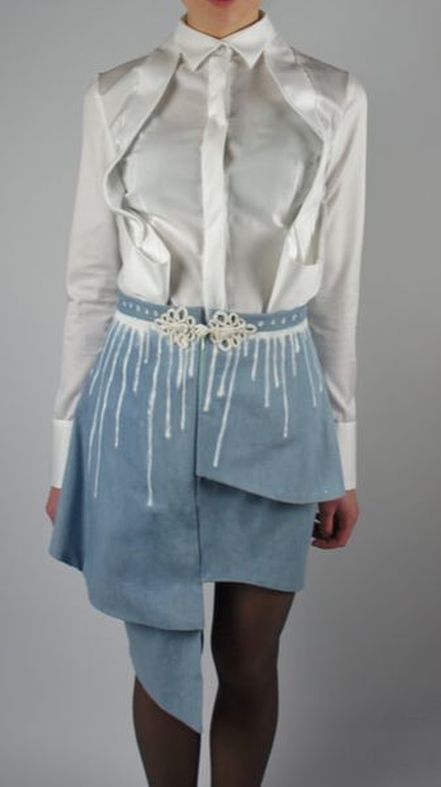
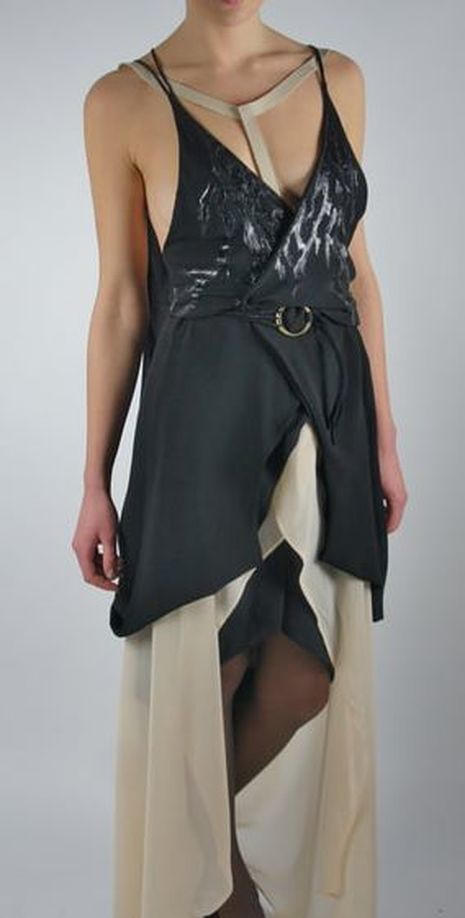
Spontaneity, intuition and coincidences (fr.: aléa) are the essential components which occur before, during and after the creation of the introduced collection. By this approach the designer, the collection and the customer are all to be averted from ideals and concrete expectations.
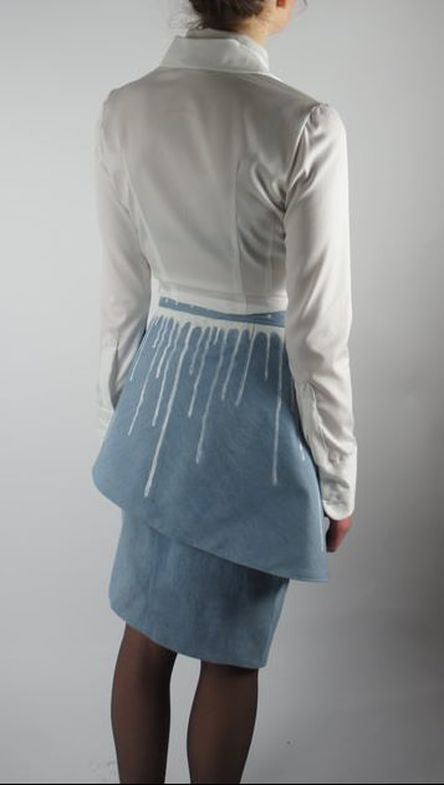
Spontaneously and intuitively cut up old garments - mainly over-produced and disposed clothes of the fast fashion industry - are randomly draped together. On this basis a pattern is made for the final production. This designing method does not follow any rules or processdefining ideals as they would have been forced on the process of creation by preceding drawings and silhouettes. Those old garments, which previously were used to set certain ideals (trends, expectations), are now used to create a new multi-wearable design that does not dictate an absolute way of wearing it and denies any ideal requirements.
In the result of this process all pieces have multiple sleeves, neckholes, trouser legs, etc. allowing different ways of wearing them. There is neither final nor ideal fit. Each piece of the collection is changeable and modifiable - just like the moods and personalities of the customers. They define the style variations for themselves, which makes every final garment appearance unique and free from everyday clothing aesthetics.
The conscious neglection of learned and thus embodied guidelines allow the designer to achieve a specific work-flow characterized by new forms of productivity and phases of euphoria. This flow is portrayed by irregularly striped patterns on materials and integrated knitting elements. Among other things those are inspired by snail trails from a wall, which represent a route solely guided by instinct. The trails still or on behalf of it appear as a harmonious aggregate.
The monochromacity within each garment reserves the aesthetic harmony and ensures a coherent overall look when combined with other collection pieces.
The collection symbolizes the shattering ideals proclaimed by fast fashion, out of which new singular, undefined, abstract and yet holistic designs are created.
идиома
|
|
|

|
|
|
bachelor collection
|

|
|
|
|
|
|
|
|
|
|
|
|
|
|
|
|
|
|
esmod berlin 1st-3rd semester works |
|
|